Pandan, Palm Sugar, Coconut: The Three Ingredients That Explain Everything About Thai Sweets
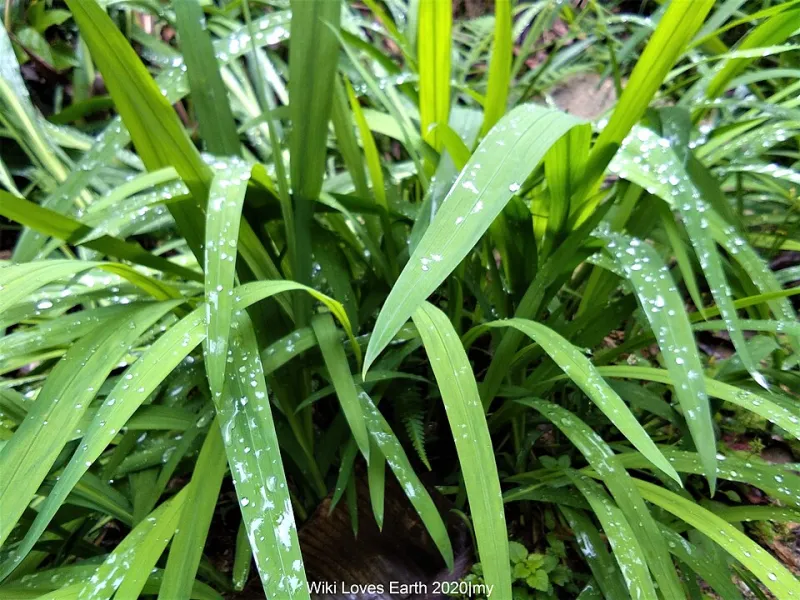
Photo: Pro QueeNia, CC BY-SA 4.0, via Wikimedia Commons
Every cuisine has its foundation stones. Italian cooking has olive oil, tomatoes, and parmesan. French pastry has butter, butter, and more butter. And Thai sweets? Almost everything you've ever loved about them — the candies, the custards, the sticky rice desserts, those viral chews taking over your feed — traces back to three pantry staples: coconut, palm sugar, and pandan.
Understand these three, and Thai confectionery stops being a mystery and starts being something you can cook with, shop for intelligently, and taste like an insider. Let's break them down.
Coconut: The Backbone of Everything
If Thai sweets had a load-bearing wall, coconut would be it. It shows up in more forms than most people realize, and each one does something different.
Coconut milk is the workhorse. Pressed from grated coconut flesh, it brings richness and body to desserts like coconut custard and countless steamed sweets. It's what gives Thai confections that lush, velvety mouthfeel — and why a coconut jelly tastes silky instead of wobbly and watery.
Coconut cream is the thicker layer skimmed from the top. It's used more sparingly, mostly as a finishing element — a rich topping or a binding fat in certain candies.
Shredded and toasted coconut adds texture, showing up as coatings, fillings, and garnishes. If you've ever had a candy with a pleasantly chewy, faintly smoky exterior, toasted coconut is probably why.
A misconception worth killing: coconut in Thai desserts is not automatically sweet. Fresh coconut and its milk are actually quite subtle, almost savory. The sweetness in Thai sweets comes from elsewhere — which brings us to ingredient number two.
Palm Sugar: The Reason Thai Sweets Taste Different
Here's the single biggest misunderstanding about Thai confectionery among American shoppers: assuming all sugar is sugar. It is not, and palm sugar is the proof.
Palm sugar is made from the sap of sugar palms, boiled down into a dense paste or solid blocks. Compared to refined white sugar, it carries genuine flavor of its own — notes of caramel, toasted butterscotch, and a faint smokiness that varies by batch and region. Where white sugar tastes like pure sweetness, palm sugar tastes like sweetness with a story.
In practice, this means a palm sugar caramel candy has depth that a corn syrup version can't touch. It's why Thai desserts can be intensely sweet without ever tasting flat or one-note. There's always a low hum of complexity underneath.
One practical note: palm sugar is often sold in rounds or blocks that look intimidating. They soften instantly with a little heat and melt right into sauces, syrups, and batters. Don't be scared of it.
Pandan: The Vanilla of Southeast Asia (But Cooler)
If you've ever eaten a Thai sweet and thought, "what is that flavor? It's like vanilla, but grassier, and I can't stop thinking about it" — you've met pandan.
Pandan is a tropical screwpine plant whose long green leaves are used throughout Southeast Asian cooking the way vanilla is used in the West: as the default aromatic in desserts. The flavor is genuinely hard to describe, which is part of its charm. Most people land on some combination of vanilla, freshly cut grass, toasted coconut, and warm rice. It's floral without being perfumey, earthy without being bitter.
It also does something vanilla never will: pandan turns everything it touches a gorgeous shade of green. That jewel-toned color in pandan jelly candies and cakes? All natural, no food coloring required.
Pandan comes to market a few ways — fresh or frozen leaves (best for infusing coconut milk), extract (convenient, slightly more artificial-tasting), and pre-made pandan paste for baking. For candy and dessert work, leaves steeped in warm coconut milk is the classic method and worth the tiny extra effort.
How They Work Together
Here's the beautiful part: these three ingredients aren't a list, they're a system. Simmer coconut milk with pandan leaves, sweeten it with palm sugar, and you've got the base for dozens of Thai desserts and candies. Add tapioca or mung bean starch for chew, rice flour for structure, mung beans or taro for body — and you can build nearly the entire Thai confectionery canon from there.
That's why Thai sweets taste so cohesive. It's not a coincidence; it's a shared foundation, refined over centuries.
Where to Buy All Three in the US
The good news: none of this requires a specialty import ritual.
At your local grocery: Canned coconut milk is everywhere — just check that you're buying full-fat coconut milk, not the watery "coconut milk beverage" sold in cartons for coffee. Shredded coconut lives in the baking aisle.
At Asian grocery stores (your best bet): Nearly every city with a Southeast Asian population has one, and they'll carry palm sugar blocks, frozen pandan leaves, coconut cream, and everything else at a fraction of specialty-store prices. Look for Thai or Southeast Asian brands specifically.
Online: Palm sugar, pandan extract, and coconut products are all readily available from major online retailers, and Thai grocery e-shops ship nationally. If you're rural with no Asian market nearby, this is your move — a starter set of all three ingredients typically costs less than a restaurant dessert.
Storage tips: Palm sugar keeps practically forever in a sealed container. Pandan leaves freeze beautifully — buy a big pack and keep them on hand. Coconut milk, once opened, needs the fridge and should be used within days.
Start Here
Want a zero-failure first project? Warm a can of coconut milk with two palm sugar blocks and three knotted pandan leaves. Stir, strain, chill. What you've just made is the base of a traditional Thai dessert — and a flavor you'll recognize instantly from the best candies on our site.
Three ingredients. One pantry shelf. An entire world of sweets, unlocked.