The Candy Sommelier Is In: How to Host a Thai Candy Tasting Night Your Friends Won't Shut Up About
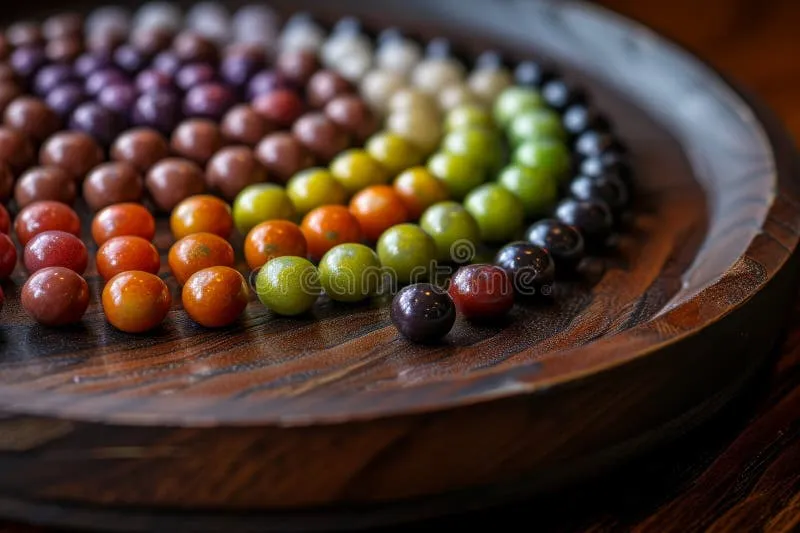
Photo: assorted colorful Thai candies arranged on wooden tasting board party, via thumbs.dreamstime.com
Here's a confession from the Candy Burst TH team: we've thrown a lot of parties, and nothing — not the charcuterie board, not the themed cocktails, not even the playlist — has ever generated the amount of chatter that a Thai candy tasting flight did at our editor's game night last month.
People lost their minds. One friend took a photo of the spread before anyone was allowed to touch it. Another went quiet for a full ten seconds after trying a salted tamarind chew, then said, "Wait. Do that again." By the end of the night, two people had screenshots of our shopping list saved to their phones.
The best part? You don't need any hosting skills beyond the ability to arrange candy on a board. Let's build one together.
The Golden Rule: Think Like a Sommelier, Not a Snack Dispenser
A candy tasting flight works for the same reason a beer flight works: contrast. If everything on your board tastes the same, it's just a bowl of candy. If each bite is a plot twist, you've got an experience.
Thai sweets are perfect for this because the cuisine's flavor philosophy — balancing sweet, salty, sour, and spicy — is baked right into the confections. You're not forcing variety; it's already there. Your job is simply to arrange it in an order that tells a story.
Your Shopping List: The Six-Slot Framework
For a first-timer's board, aim for six different candies, with three to four pieces of each. Six is the sweet spot (pun intended): enough variety to keep things interesting, not so many that your guests hit sugar fatigue by round four.
Structure your six picks like this:
- Two friendly starters — chewy fruit-based candies, coconut jellies, anything with mango. These ease nervous guests in.
- Two texture players — something crunchy, something chewy. Thai candy's texture game is its secret weapon, so show it off.
- One wildcard — anything with chili, salt, or tamarind. This is the moment your party will be remembered for.
- One rich finisher — coconut custard candies, palm sugar caramels, or a pandan-flavored treat to land the flight on a smooth note.
Most of these are findable at Asian grocery stores or online, and a full board for six people typically runs less than the cost of a decent bottle of wine.
Setting the Stage
Presentation does half the work. Grab a wooden board, a slate, or even a big ceramic platter. Small bowls or ramekins work great for candies that stick together; loose pieces can go straight on the board.
A few pro touches that elevate the whole thing:
- Print tiny tasting cards. Just the candy name and one-word flavor notes ("salty," "floral," "whoa"). Guests love guessing before they read.
- Set out palate cleansers. Plain crackers, cucumber slices, and — non-negotiable — glasses of water. Toasted coconut water is a fun pairing if you want to commit to the theme.
- Number the stations in tasting order. It turns snacking into an event and keeps the flavor arc intact.
The Order Matters More Than You Think
Here's the sequence we've tested across multiple parties, and it works:
Round 1 — Ease them in. Start with the mildest, fruitiest option. Mango-flavored chews or coconut jellies are ideal. The goal here is to lower defenses. You'll hear "oh, this is just like regular candy" — perfect. Let them feel safe.
Round 2 — Bring the texture. Next up, something with serious crunch or an unexpected chew. This is where guests start paying attention. Texture is the thing that makes people say "huh, American candy doesn't do this."
Round 3 — The plot twist. Now the wildcard. Salted plum candy, chili-lime anything, tamarind chews. Warn them gently: "This one's a journey." Watch faces. This is the round people photograph.
Round 4 — The soft landing. Close with something rich and mellow — palm sugar caramel or a pandan coconut bite. It resets the palate and ends the flight on a warm note, which is exactly how you want a party to end.
Between rounds, give it a minute. Let people talk. The conversation between bites is genuinely the best part.
Pairings That Punch Above Their Weight
If you want to go the extra mile, a few drink pairings that consistently work:
- Thai iced tea with anything coconut — a match made in heaven
- Sparkling water with lime alongside tamarind or salted candies — the bubbles and acid amplify the sour-salty magic
- Cold brew coffee with palm sugar sweets — the roasted notes meet the caramel notes and everyone wins
- Plain jasmine tea as the all-purpose palate reset between rounds
Skip wine for the tasting itself, honestly. Its tannins clash with chili and salt in ways that confuse everyone. Save the wine for after.
Troubleshooting Your First Flight
"My guests are scared of the spicy one." Put it third, not last, and have the rich finisher right after. Nobody wants to end on a dare.
"Someone doesn't eat gelatin." Plenty of Thai sweets are coconut milk- or rice-based — coconut jellies and certain traditional desserts fit the bill. Check labels and have an alternate ready.
"How much should I buy?" Three to four pieces per person per candy is plenty for a tasting. Leftovers are a you-problem, and honestly, a good one.
Why This Works Every Single Time
At its heart, a Thai candy tasting flight is a low-stakes adventure. There's no skill required, no rules to learn, and the stakes are literally candy. But the flavor contrasts are real enough that everyone — from your foodie friend to your seven-year-old nephew — has something to react to.
And reactions are the whole point. You're not serving dessert; you're hosting a conversation starter shaped like a candy board.
So grab six candies, number some cards, and cue up the game night. Your group chat will do the rest of the marketing for you.