A Long Way from Bangkok: The Surprising Journey Thai Candy Takes Before It Hits Your Pantry
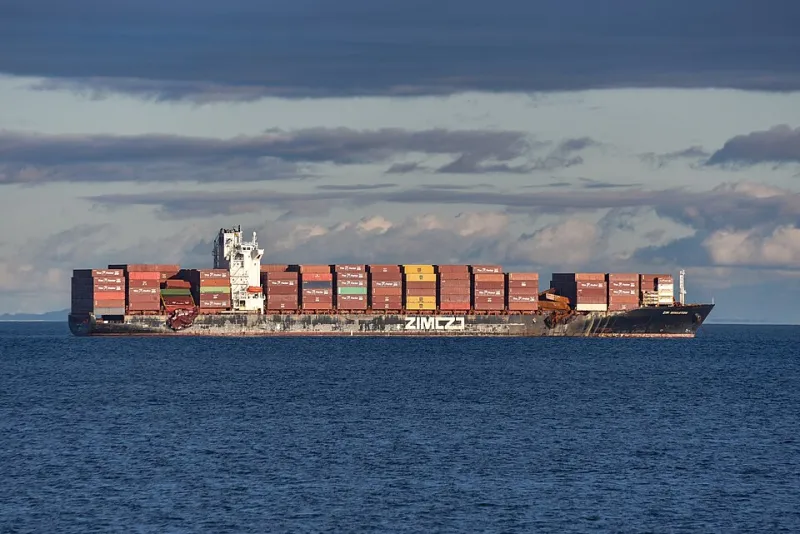
Photo: Gordon Leggett, CC BY 4.0, via Wikimedia Commons
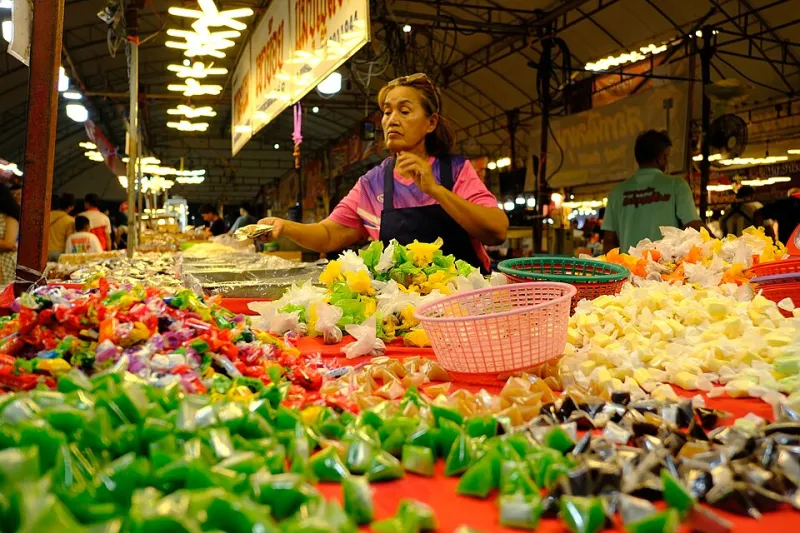
You tear open a bag of Thai candy — maybe something sticky and tamarind-sweet, maybe a chewy coconut log dusted in powdered sugar — and you don't really think about where it came from. Not geographically, anyway. You know it's from Thailand. But between a small-batch producer in Bangkok and your kitchen counter in, say, Columbus, Ohio, there's an entire story playing out. One that involves cargo ships, customs agents, cold storage warehouses, and a whole lot of paperwork.
Let's talk about that story.
It Starts Long Before the Candy Is Even Made
For most Thai candy brands trying to break into the American market, the export journey begins way before the first shipment ever leaves the port of Bangkok. It starts with understanding what the US Food and Drug Administration actually requires — and that list is longer than most people expect.
Every food product entering the United States has to comply with FDA labeling standards. That means English-language ingredient lists, allergen disclosures, net weight in both metric and imperial units, and nutrition facts formatted to American standards. For a small Thai confectionery brand that's been selling locally for decades, reformatting their packaging for a foreign market is no small lift. Some brands have to completely redesign their labels. Others have to slightly adjust recipes to avoid ingredients that are approved in Thailand but restricted in the US.
Then there's the Prior Notice requirement — a heads-up that importers are required to file with the FDA before any food shipment arrives on American soil. Miss that window, and your entire container could be held at the port.
The Distributor Relationship: More Important Than You'd Think
Here's where things get interesting. Most Thai candy brands don't just ship directly to American retailers or consumers. They work through importers and distributors — companies that essentially serve as the bridge between a foreign manufacturer and the US market.
These distributors know the regulatory landscape. They know which customs brokers to work with, which ports process food shipments fastest, and how to handle the inevitable delays. For a small Thai candy brand, finding the right distribution partner can make or break their American launch.
Some distributors specialize specifically in Southeast Asian food products. They've already built relationships with Asian grocery chains across the country — think H Mart, 99 Ranch Market, and Seafood City — and they understand what American consumers in those spaces are already buying. Other distributors are newer players, built specifically to serve the wave of interest in international snacks that exploded alongside the global popularity of mukbang content and "international candy" hauls on social media.
Either way, the relationship is collaborative. Distributors often give feedback on packaging, pricing, and even which product SKUs are most likely to move in the American market. It's not unusual for a Thai brand to launch with just two or three of their most universally appealing flavors, then expand once they've built a foothold.
Crossing the Ocean: Shipping Routes and the Reality of Transit Time
Most Thai candy heading to the US travels by sea freight — specifically through container ships departing from Laem Chabang, Thailand's largest deep-sea port located about 80 miles southeast of Bangkok. From there, shipments typically cross the Pacific and arrive at major West Coast ports like Los Angeles or Long Beach. Transit time? Usually somewhere between 20 and 35 days, depending on routing and any stops along the way.
That timeline matters a lot for candy. Unlike fresh produce, most Thai confectionery has a reasonably long shelf life — but "reasonably long" isn't infinite. Brands have to calculate their production timelines, shipping windows, and expected retail sell-through carefully to make sure products arrive with enough shelf life remaining to satisfy both distributors and consumers.
Temperature is another factor. Some Thai sweets — particularly those made with coconut milk or natural fruit fillings — are sensitive to heat. Importers often opt for climate-controlled containers, which cost more but protect the product quality. For premium Thai candy brands, that's a non-negotiable.
Customs: The Moment of Truth
Once a shipment arrives at port, it enters the customs clearance process — and this is where things can either go smoothly or sideways fast.
US Customs and Border Protection (CBP) works in coordination with the FDA to inspect imported food products. Most shipments are cleared without issue, but random inspections do happen. If a product is flagged — whether for a labeling discrepancy, a missing document, or a question about an ingredient — it can be held for days or even weeks while the issue gets sorted out.
For a small Thai candy brand operating on tight margins, a customs hold is genuinely stressful. It can delay a retail launch, frustrate distribution partners, and eat into profits. Experienced importers build buffer time into their shipping schedules precisely because of this unpredictability.
There's also the matter of import duties and tariffs. Candy generally falls under specific Harmonized Tariff Schedule codes, and the applicable rates can vary depending on the product's sugar content, whether it contains chocolate, and other factors. It's one of those unsexy but critical details that shapes how Thai candy brands price their products for the American market.
The Last Mile: Getting from Warehouse to Your Hands
Once a shipment clears customs and arrives at a US distribution warehouse, the final leg of the journey begins. From those warehouses — often located near major port cities like Los Angeles, Houston, or New York — products get sorted and shipped out to retailers, online platforms, or specialty importers who sell directly to consumers.
The rise of e-commerce has genuinely changed this piece of the puzzle. A decade ago, most Americans who wanted Thai candy had to find it at an Asian grocery store. Today, brands can sell through their own websites, Amazon storefronts, or specialty snack subscription boxes that ship nationwide. That last option has been a real game-changer for smaller Thai candy producers who don't yet have the volume to stock brick-and-mortar shelves coast to coast.
Why Any of This Matters to You
Honestly? You don't need to think about any of this every time you reach for a piece of Thai candy. That's kind of the point — all of this complexity exists so that you don't have to deal with it.
But there's something worth appreciating here. Every bag of Thai candy that makes it to an American pantry represents a genuine effort: a producer who believed their recipe deserved a wider audience, a distributor who bet on that belief, and a logistical chain that somehow turned a Bangkok street-vendor staple into something you can order from your couch in Michigan.
That tamarind chew traveled thousands of miles and cleared about a dozen bureaucratic hurdles just to end up in your snack drawer. Seems worth savoring slowly.