Your Freezer Is a Candy Vault (Your Fridge Is a Trap)

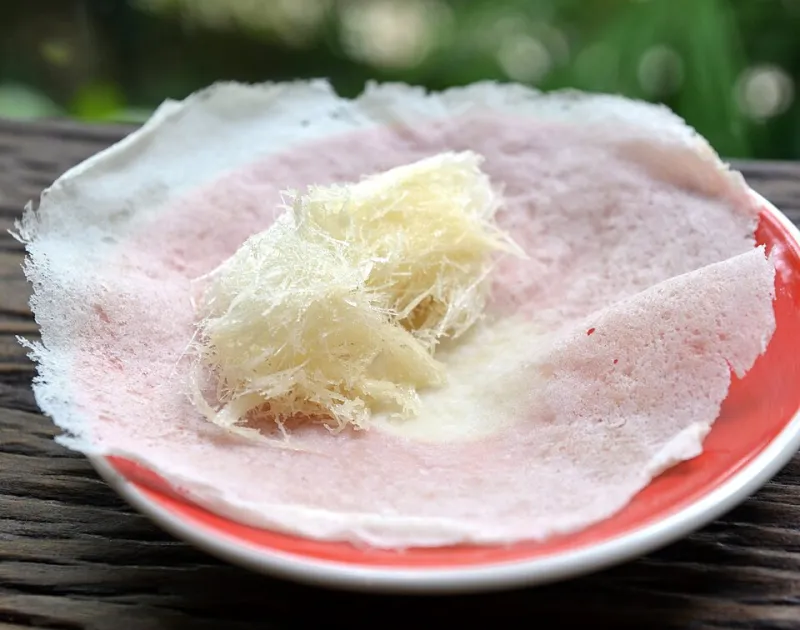
Photo: Islandsislands, CC0, via Wikimedia Commons
Every summer, somebody writes in to ask why their tamarind chews fused into a single brick inside a cabinet that was, quote, not even that hot. It was that hot. It's always that hot.
Thai candy was built for a climate that swings hard, but it was built to be eaten fast — sold from a market stall, carried home in a plastic bag, gone within the week. American kitchens ask it to do something different: sit in a pantry for four months, survive central air and July humidity, and still taste like the day it landed. So we spent a few weeks treating our own kitchen like a lab, running the same four candies through three storage setups. Here's what actually happened.
Why the Fridge Is the Worst Roommate
Putting candy in the refrigerator feels responsible. It is not.
A fridge is a cold, wet, aggressively scented box. Every time you pull a bag out, moisture from the room condenses onto the cold candy surface — inside the wrapper, if the seal is imperfect. Do that ten times over a month and you've invented a new texture nobody asked for. Add the fact that butter, leftovers, and that half onion from Tuesday all share the air, and candy stored uncovered in a fridge starts tasting like a kitchen.
The one exception: chocolate-covered Thai sweets in a genuine heat wave, where the alternative is a full melt. Even then, seal them in a bag with the air pressed out and let them come back to room temperature before opening. Condensation happens on opening, not on chilling.
The Humidity Math of a Real Kitchen
Two numbers matter. Candy likes under about 50 percent relative humidity and under about 75°F. A coastal apartment in August can run 70 percent humidity with the AC off, and a cabinet above a stove can hit 90°F without anyone noticing.
A cheap hygrometer — the kind people buy for houseplants — will tell you more about your candy storage than any blog post, including this one. Stick one in the pantry for a week. If it reads above 60 percent, your candy needs a better home.
The Freezer Vault Method
For anything you're not eating within six weeks, the freezer wins. Not because cold is magic, but because it stops the two things that ruin candy: heat and moisture exchange.
Do it in this order. Leave candy in its original sealed wrapper. Bag it again in a freezer zip-top, press out as much air as you physically can, seal, and label with the date. Then — and this is the step people skip — let the bag sit unopened on the counter for two hours before you open it. The candy warms up inside its own sealed environment, so the condensation lands on the plastic instead of the sugar.
A hard-frozen tamarind chew eaten straight from the bag is also genuinely great, in a frozen-caramel kind of way. That's a bonus, not a storage strategy.
The Chill Test: Four Candies, Four Answers
Here's what we found, and how to repeat it yourself. Take four pieces of each candy. Store one at room temp in a sealed jar, one in the fridge, one in the freezer, and one in the original bag on the counter as a control. Taste at day three and day fourteen. That's it. That's the whole experiment, and it will teach you more than any guide.
Fruit pectin gummies. Room temperature, sealed, is the winner. Fridge makes them firmer and slightly duller in flavor; freezer makes them chewy in a way some people love and most people don't. If you like a stiff chew, chill them for twenty minutes before serving, not for a month before eating.
Tamarind chews. The freezer's best customer. Cold firms the sticky surface and makes them easier to unwrap and portion. Fridge is a trap: they sweat, then re-stick into a block. Room temp works only in a low-humidity house, and only for a few weeks.
Coconut and palm sugar sweets. The most fragile category. Coconut milk powders absorb ambient moisture and go grainy or tacky fast, and palm sugar caramelizes further in heat until it slumps. Airtight jar plus a cool dark cabinet is the move. Freeze only if you'll eat them within a month of thawing, and expect a slightly softer bite afterward.
Wrapped hard candy. Nearly indestructible, which is why it's the traveler's friend. The enemy is not temperature, it's the wrapper: heat softens the candy until it welds itself to the cellophane. Keep it under 80°F and out of sunlight, and it will outlast your resolve.
The Five-Minute Pantry Fix
If your only storage option is a warm, humid cabinet, work with what you've got. Move everything into glass jars with rubber gaskets — not decorative tins, which seal about as well as a handshake. Drop a food-safe silica packet in with the candy, replacing it every couple of months. Keep the jars off the floor, away from exterior walls, and out of the cabinet directly above the stove or dishwasher.
And stop buying the five-pound bag unless you have five pounds of people. Thai candy is at its best in the first month. Bigger isn't a savings if half of it becomes a sticky block you feel guilty about.
The Myth We'd Most Like to Retire
Candy doesn't go bad. It goes bad quietly, which is worse. Stale hard candy doesn't mold — it just gets soft, then tacky, then weird. Gummies don't rot — they dry at the edges and toughen in the middle. Nothing announces itself. You find out at the worst possible moment, usually with a mouthful.
Taste one piece before you serve the bag to anyone else. Two seconds of quality control beats a bowl of apology candy at a party. Freeze what you won't finish, seal what you will, and keep the fridge for the leftovers.