That $1.79 Tamarind Chew Is Lying to You: A Field Guide to Fake Thai Imports
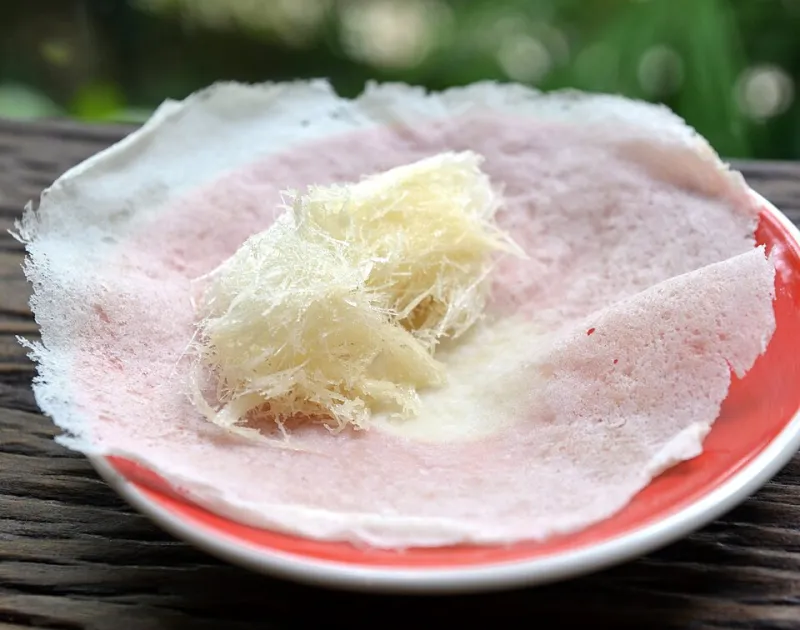
Photo: Takeaway, CC BY-SA 3.0, via Wikimedia Commons
There's a particular kind of disappointment that comes from biting into a tamarind chew you paid $1.79 for at a discount store and realizing it tastes like a candle that was once briefly told about tamarind. Flat. Waxy. Sweet in a way that goes nowhere and then stops.
That moment is usually your first clue that the bag never made the trip it claims to have made. To be clear up front: the overwhelming majority of Thai candy sold in the US is exactly what the label says it is, made by people who know what they're doing. But the deep-discount corner of this market — the wire bins, the liquidation aisles, the marketplace listings with three blurry photos and a price that looks like a typo — has gotten genuinely strange. Here's how to separate the real thing from the tired version from the total imposter, without turning into a person who reads labels at parties.
First, Three Kinds of Suspicious (They Are Not the Same)
Most buyers lump every weird bag into one bucket labeled sketchy. Don't. There are three distinct situations, and only one of them is a scam.
The short-dated legit import. Perfectly real candy, legally brought in, but sold cheap because it's two months from its best-by date. Nothing sinister. The flavor has faded, the texture has relaxed, and the price reflects it. If you plan to eat it this week, this is often the best deal in the store.
The repackaged bulk split. Somebody bought a five-pound restaurant bag, cracked it into zip-top baggies with a home-printed sticker, and put it out for sale. No lot code, no importer, no way to trace it. Not necessarily counterfeit — but the moment the original packaging is gone, so is every piece of information you'd need if something went wrong.
The costume. A wrapper styled to look Thai, flavors named after Thai things, zero connection to Thailand. Sometimes manufactured domestically and honestly labeled; sometimes not labeled honestly at all. This is the one worth caring about.
Start With the Sticker, Not the Candy
Flip the bag over before you look at anything else. A legitimately imported food sold in the US should name the importer or distributor and give a US address — usually phrased as Distributed by or Imported by. That line is your phone number when something is off. A bag with no US contact point isn't automatically illegal, but it is a bag with nobody to call.
While you're there, check the country of origin language. Product of Thailand and Packed in Thailand are honest phrases with very different meanings, and both are more informative than a vague Imported for with a city and no state.
The Lot Code Smudge Test
Real production runs get printed lot codes and best-by dates straight onto the wrapper during manufacture, usually in ink that sits slightly proud of the film. Run a fingernail across it. You should feel a little edge.
Now look for a second sticker — the kind slapped over original printing. If a new best-by date has been applied on top of an old one, or a barcode has been taped over, put it back. That's not a labeling quirk. That's somebody editing the record.
Read the Ingredient List Like a Skeptic
This is where fakes fall apart fastest, because inventing a believable ingredient list is harder than copying a logo.
A candy advertising tamarind should contain tamarind. A palm sugar caramel should mention palm sugar somewhere before the artificial colors. If the front of the bag promises a fruit and the back lists artificial flavor as the only flavor source, you're holding a marketing concept, not a confection.
Two more tells: an ingredient list in a language that doesn't match the origin claim, and a nutrition panel whose numbers look copy-pasted from an unrelated product. Real manufacturers don't usually ship a tamarind chew with the sodium content of a soup.
Texture Is a Lie Detector You Already Own
You can't squeeze a sealed bag, but once it's open, your mouth knows things your eyes don't.
Authentic tamarind chews start tacky and turn fibrous — there's a slight pull, a hint of fruit leather. Fakes go uniformly waxy and dissolve into nothing. Palm sugar caramels should shift from grainy to smooth as they melt; if they stay gritty and then vanish, the sugar was never doing the work. Real fruit pectin gummies have a soft, slightly giving bite that springs back. Gelatin-heavy knockoffs snap like rubber and taste cold somehow, even at room temperature.
One more field note: candy that has taken on a refrigerator smell, a cardboard smell, or a faintly soapy note has been stored badly, not necessarily faked. Both are reasons to skip it.
Prices That Whistle
A rough rule: if the per-ounce price is less than half what every other seller charges for the same item, one of three things is true — it's short-dated, it's a bulk split, or it isn't the product pictured. None of those are crimes, but you should know which one you're buying. Listings that show a stock photo of a branded bag and ship you a clear baggie with a sticker are the most common complaint we hear about, and they're almost never worth the savings.
What to Do If One Already Got You
If you've already opened it and it tastes wrong, stop eating it. Not because every strange candy is dangerous, but because you have no ingredient information you can trust, and that's the entire point of a label. Keep the packaging if you still have it, photograph it, and take it back to the store — discount retailers process refunds for mislabeled food more often than people assume. For online purchases, a listing that misrepresents the product is usually a straightforward dispute.
And if you want to be genuinely useful: report it. The FDA takes food labeling complaints through its consumer portal, and a photo of a covered-up lot code is exactly the kind of thing that gets a listing pulled.
The Short Version
Check the importer sticker. Feel for a printed lot code. Read the ingredients for the thing the front of the bag promises. Trust your teeth on the first bite. Buy from sellers who can tell you where the candy came from, and pay a little more when the answer is clear. Thai candy is worth the two extra dollars — the real stuff has layers, and layers are the whole reason we're here.