Tiny Masterpieces: How Thai Candy Wrappers Became the Hottest Collectible You Never Saw Coming
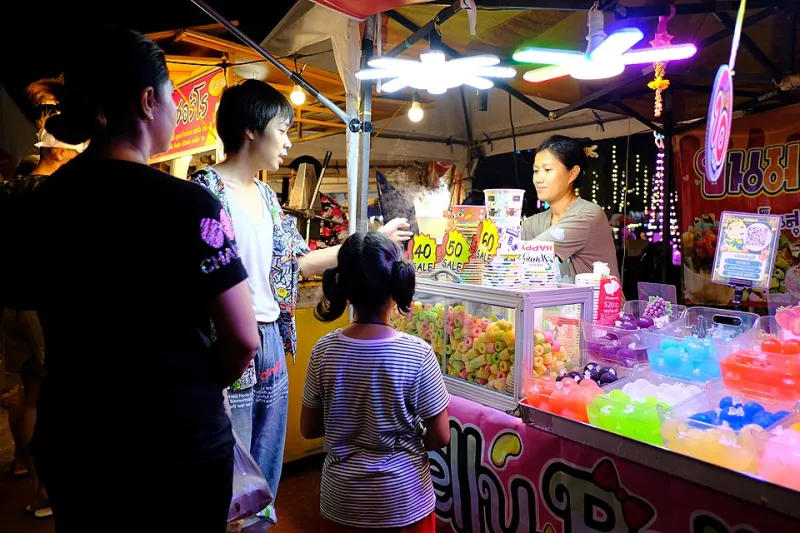
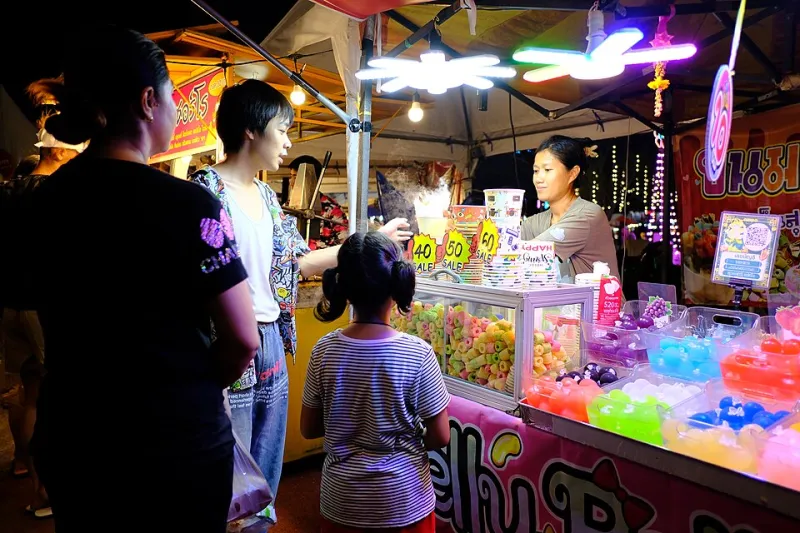
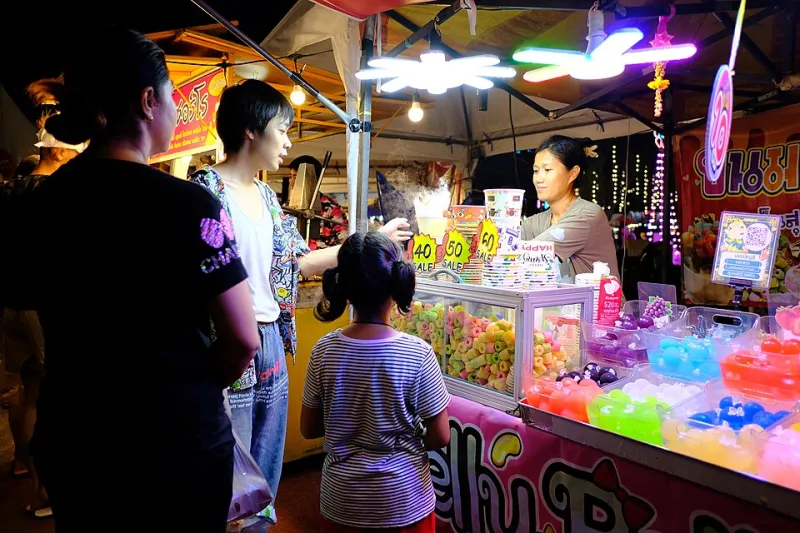
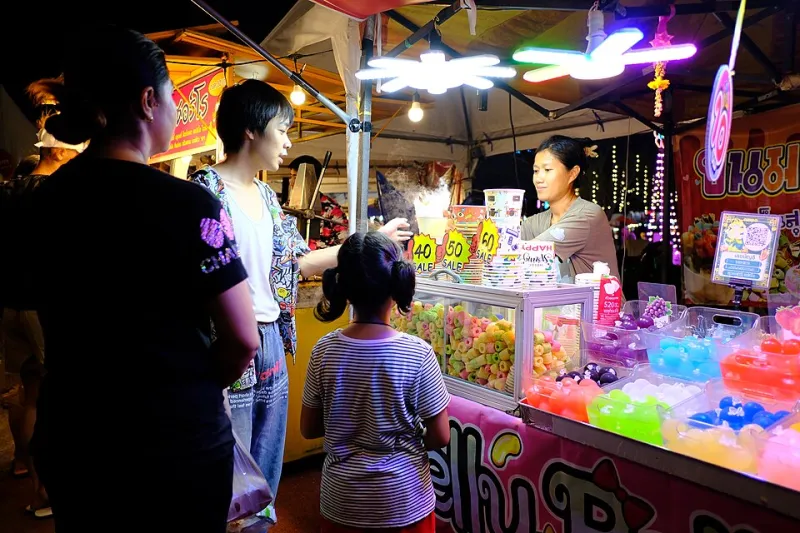
Photo: PattayaPatrol, CC BY-SA 4.0, via Wikimedia Commons
Somewhere in a Minneapolis apartment, a woman named Dana has devoted an entire wall to flattened candy wrappers. They're pressed under acrylic frames, arranged by color, and lit with warm LED strips like a gallery installation. She's not an art student. She's a middle school teacher — and a hardcore Thai candy packaging collector.
"People think I'm joking when I tell them," Dana laughs. "Then they see the wall and they go completely quiet."
She's not alone. Across the US, a quietly growing community of enthusiasts is doing something unexpected with Thai candy: saving the wrappers. Flattening them. Displaying them. Swapping them. And in some cases, paying real money for rare or discontinued designs. What started as a casual "oh, this is pretty" moment for many collectors has evolved into a full-blown subculture — one that says as much about American appetite for global aesthetics as it does about Thailand's extraordinary design tradition.
The Wrapper Is the Experience
Here's the thing about Thai candy packaging: it was never designed to be thrown away. At least, that's how it feels when you're holding a piece. Thai confectionery brands have long treated their wrappers as an extension of the product itself — not an afterthought, but a promise. The colors are saturated to a near-surreal degree. The illustrations often reference classical Thai art, royal iconography, temple architecture, or mythological figures. Gold foil is used liberally. Even the fonts carry cultural weight, blending traditional Thai script with playful modern lettering in ways that feel both ancient and completely fresh.
For American consumers raised on the relatively minimalist (or aggressively corporate) aesthetics of mainstream candy packaging, encountering a Thai sweet for the first time can feel like stumbling into a different visual universe. "I bought a bag of tamarind candies at a Thai grocery in Houston, and I almost didn't want to open it," recalls Marcus, a graphic designer based in Austin. "The wrapper had this intricate elephant illustration with a color palette I'd never seen on a food product before. I ate the candy, obviously — it was incredible — but I kept the wrapper on my desk for like three weeks."
That instinct to keep the wrapper is exactly what's driving the collector phenomenon.
What Makes the Design So Magnetic
Thai candy packaging draws from a rich visual tradition that most Western consumers encounter only in fragments — a temple visit here, a street market photo there. But when it lands on a candy wrapper, that visual language gets distilled into something pocket-sized and immediate.
Designers working for Thai confectionery brands often pull from a toolkit that includes: the sinuous line work of traditional lai thai (Thai decorative patterns), the vivid color combinations seen in festival garments and ceremonial offerings, and a storytelling impulse that treats packaging as a miniature narrative. A single wrapper might depict a deity associated with good fortune, a regional fruit known for its sweetness, or a scene from a beloved Thai folktale — all rendered in a style that's simultaneously maximalist and perfectly balanced.
For collectors like Dana, part of the appeal is educational. "Every wrapper teaches me something," she says. "I've learned about Thai flowers I didn't know existed, about regional festivals, about colors that have specific cultural meanings. It's like a crash course in Thai visual culture, one candy at a time."
The Instagram Effect (and the Reddit Rabbit Hole)
Social media has been rocket fuel for this niche hobby. Search #ThaiCandyWrapper on Instagram and you'll find thousands of posts — flat lays, framed collections, unboxing videos where the packaging gets as much screen time as the candy itself. TikTok creators have built followings by doing deep dives into the symbolism on specific wrappers, explaining the imagery to audiences who are visibly delighted to learn what they've been casually admiring.
Over on Reddit, a community dedicated to international candy packaging has seen a surge in Thai-specific posts over the past two years. "Thai stuff gets the most engagement by far," one moderator noted in a recent thread. "People lose their minds over the foil details."
The community aspect is a big part of what keeps collectors hooked. Members trade duplicate wrappers through the mail, share sourcing tips for finding rare regional brands, and collaborate on identifying the cultural references in designs they don't immediately recognize. It's the kind of warm, nerdy enthusiasm that tends to build lasting communities — think vinyl record collectors or vintage postcard traders, but make it candy.
Collectors, Designers, and the Question of Preservation
Not everyone in the Thai candy design world anticipated this level of international appreciation. Some brand designers, when reached through their social channels, have expressed genuine surprise — and delight — that their work is being framed and displayed in American homes. A few have even started releasing limited-edition packaging specifically designed with collectors in mind: higher-quality paper stock, more elaborate illustrations, even small print runs with numbered editions.
For Marcus, the graphic designer in Austin, following the design evolution of Thai candy brands has become a professional obsession as much as a personal one. "The way they handle color theory, the way they balance ornamentation with legibility — there's a lot that Western design could genuinely learn from," he says. "These aren't just candy wrappers. They're a masterclass in visual communication."
Preservation is another conversation happening within the community. Some collectors worry about wrappers fading over time and have started using UV-protective frames. Others are digitizing their collections, creating high-resolution scans that can be shared and archived. There's even informal talk about a dedicated online museum — a searchable database of Thai candy packaging across decades and regions.
Why This Matters Beyond the Hobby
The Thai candy wrapper phenomenon is, at its core, a story about how food can be a gateway to culture. When someone in Ohio frames a wrapper from a mango taffy they ordered online, they're not just saving pretty paper. They're participating in a kind of cultural exchange that happens to start with a sweet tooth.
For Thai candy brands reaching American audiences, this collector culture represents something genuinely valuable: a consumer base that doesn't just eat the product but cares about the story behind it. That's a different kind of brand loyalty — deeper, more personal, and a lot harder to manufacture.
And for collectors like Dana, the wall of wrappers is more than a decorating choice. It's a conversation starter, a learning tool, and a reminder that extraordinary things can come in very small packages.
"Every time I add a new one," she says, glancing at the glittering grid of foil and color behind her, "I think about the person who designed it. I wonder if they knew it would end up here, in Minnesota, making someone's day."
Chances are, they'd be pretty thrilled.