Likes, Shares, and Tamarind Chews: How Thai Candy Broke the Internet One Unboxing at a Time
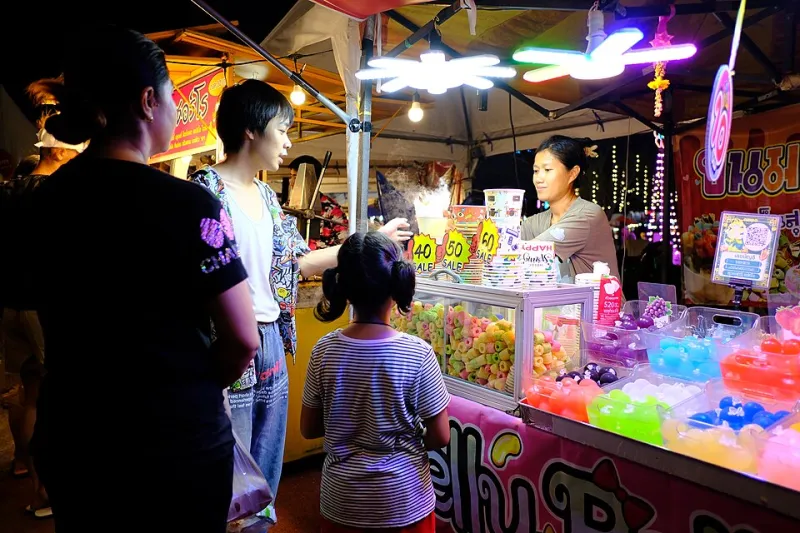
Photo: PattayaPatrol, CC BY-SA 4.0, via Wikimedia Commons
Somewhere between a teenager in Ohio biting into a mango-chili gummy and a food blogger in Austin cracking open a box of pandan-flavored coconut jellies, Thai candy quietly staged one of the most impressive viral takeovers the snack world has ever seen. No massive ad budget. No celebrity endorsements. Just a lot of genuinely wild flavor combinations, some seriously gorgeous packaging, and a generation of consumers who are absolutely done settling for boring.
If you've spent any time on TikTok or Instagram Reels lately, you already know what we're talking about. The slow-motion pulls of stretchy tamarind candy. The satisfying crinkle of a metallic wrapper. The moment someone's face scrunches up — and then immediately lights up — after hitting an unexpected burst of spice. That's not content strategy. That's just Thai candy doing what it's always done, finally getting the audience it deserves.
The Camera Was Already Built In
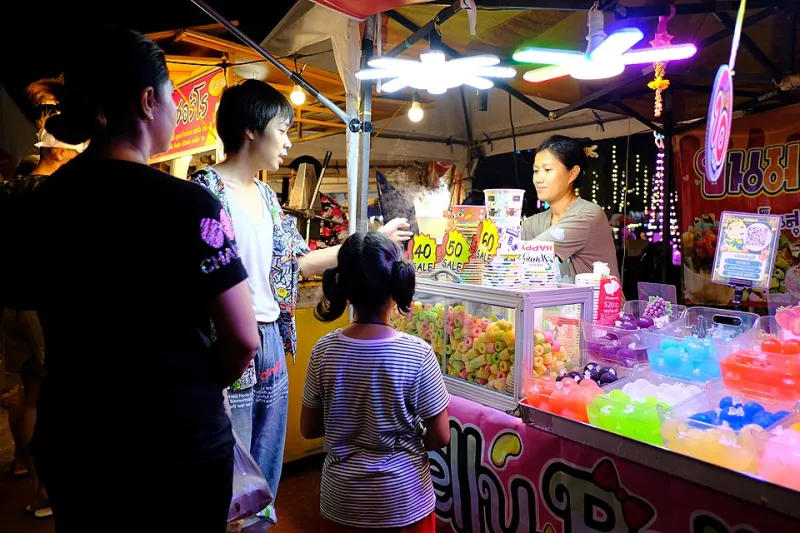
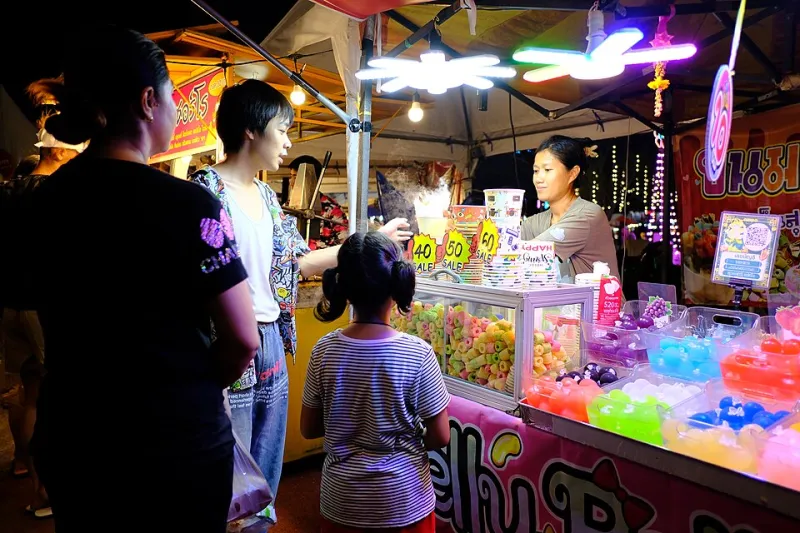
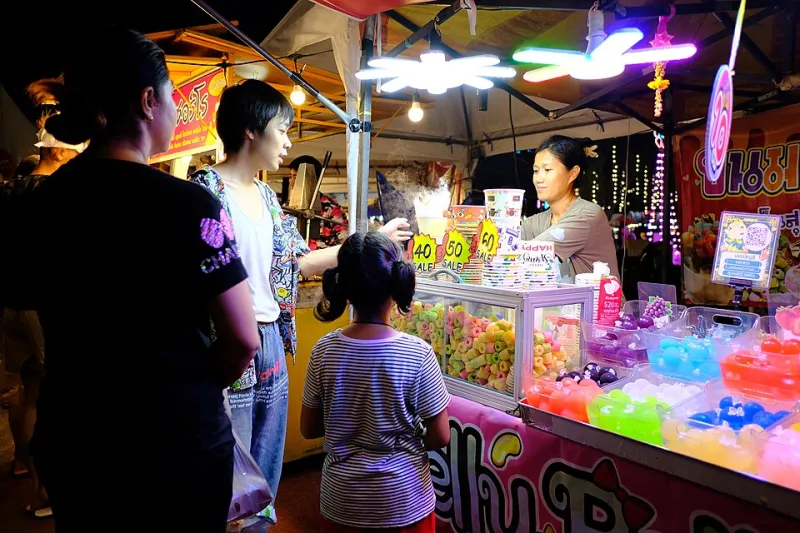
Here's the thing about Thai confectionery that a lot of American snack brands are only now starting to figure out: it was designed to be looked at. Long before anyone had a smartphone, Thai street vendors were arranging their sweets in elaborate displays — jewel-bright coconut puddings in banana leaf cups, hand-rolled sesame balls dusted with gold, layered jellies that looked more like stained glass than something you'd eat. Presentation wasn't an afterthought. It was the whole point.
That visual DNA transferred almost perfectly to short-form video. When content creator Mia T., who runs a snack review channel with nearly 200,000 followers, first filmed herself opening a Thai candy haul, she says she wasn't even thinking about the algorithm. "I just thought the packaging was insane," she told us. "Like, who puts that much effort into a piece of candy? I had to show people."
That instinct — the compulsion to share something genuinely surprising — is exactly what drives engagement. And Thai candy delivers surprises in bulk.
Flavor Combinations That Demand a Second Take
American candy has spent decades playing it relatively safe. Fruit flavors, chocolate, caramel — the classics. Thai candy comes from a culinary tradition that sees no contradiction between sweet, salty, sour, and spicy all showing up in the same bite. Tamarind with chili and sugar. Salted plum with a sugary coating. Coconut milk paired with pandan and a whisper of jasmine. These aren't gimmicks. They're flavor profiles that have been refined over generations.
For Gen Z consumers, who grew up eating Takis and sriracha-flavored everything, the jump to Thai candy's complex flavor layering isn't a stretch — it's a natural next step. "I think our generation is just less afraid of weird combinations," says Jordan P., a 22-year-old food enthusiast from Portland who reviews international snacks on his Instagram page. "And Thai candy is weird in the best possible way. It makes you think while you're eating it, which is kind of rare."
That cognitive engagement — the slight confusion, the recalibration, the 'wait, I actually love this' moment — is content gold. It's the reason reaction videos perform so well, and it's the reason Thai candy keeps showing up in snack subscription boxes, international food hauls, and "things I found at the Asian grocery store" roundups.
Authenticity Hits Different
In a snack market crowded with brands trying to manufacture a sense of heritage and culture, Thai candy has something a lot of competitors simply can't fake: a real story. Many of the brands gaining traction in the US right now are rooted in actual family recipes, regional traditions, and craftsmanship that goes back decades. That authenticity comes through, and today's consumers are remarkably good at sniffing out the difference.
"People can tell when something is a trend versus when something has roots," says Mia T. "Thai candy feels like it comes from somewhere real. When a brand talks about their grandmother's recipe or a specific region in Thailand, that's not marketing fluff — you can taste it in the product."
This is a significant differentiator from mass-market competitors who might slap an exotic flavor name on a product without any genuine connection to the culture it's borrowing from. Thai candy brands that lead with their story — the night market origins, the regional ingredient sourcing, the generational knowledge behind the recipes — tend to build the kind of loyal following that keeps customers coming back long after the initial viral moment fades.
The Unboxing Effect
If flavor is what hooks people, packaging is what gets them to hit record in the first place. Thai candy packaging is a category unto itself — intricate designs, unexpected materials, colors that somehow manage to be both maximalist and cohesive. Opening a well-curated Thai candy box is an experience, and experiences are what the internet runs on.
The unboxing format, which has been a YouTube staple for years, found a natural second life on TikTok and Reels precisely because the short-form structure rewards that initial moment of discovery. Thai candy, with its layers of individually wrapped pieces, nested containers, and surprise inclusions, is practically engineered for the format. Every layer is a new reveal. Every wrapper is its own micro-moment.
Subscription box services and specialty online retailers have leaned hard into this dynamic, curating themed assortments that maximize the unboxing journey. It's not just about the candy anymore — it's about the ritual of discovering it.
What Comes Next
The viral moment is real, but the more interesting question is what happens after the algorithm moves on. Based on what we're seeing, Thai candy isn't just riding a trend — it's building something more durable. The consumers who discover these sweets through a TikTok video and then go digging into the history, the culture, and the craft behind them are becoming genuine enthusiasts, not just casual clickers.
For brands, that means the opportunity isn't just to go viral once. It's to give people enough to keep exploring — new flavors, regional variations, seasonal specialties, the stories behind the ingredients. There's a whole universe of Thai confectionery that most American consumers haven't touched yet, and social media is just the door.
So the next time a tamarind chew or a pandan jelly shows up on your feed and you can't quite explain why you're so compelled to watch someone eat it — just know that feeling has a long history. It started on a Bangkok street cart, traveled through generations of craft and tradition, and landed right in your For You Page. And honestly? That's a pretty great origin story.