Sweet, Salty, Spicy: How Thai Candy Quietly Conquered the American Snack Scene
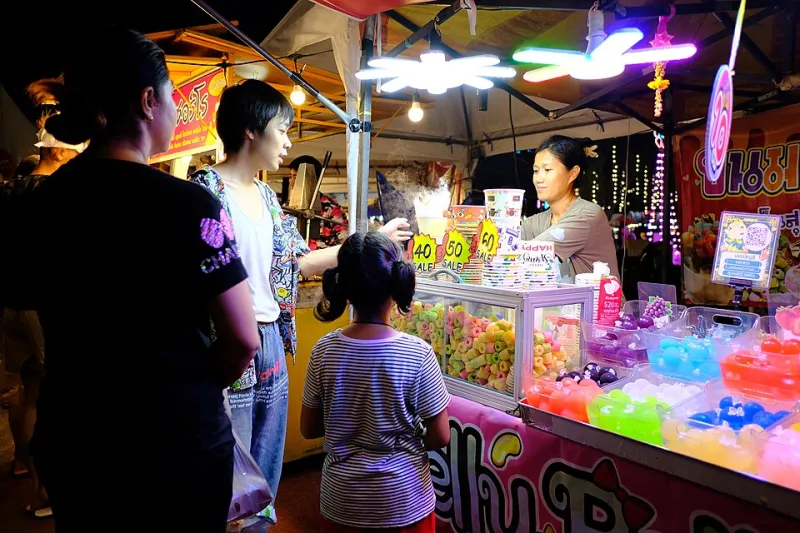
Photo: PattayaPatrol, CC BY-SA 4.0, via Wikimedia Commons
Not long ago, finding a bag of Thai tamarind candy in the US meant a dedicated trip to a specialty Asian market, usually tucked between rows of imported noodles and fish sauce. Fast-forward to today, and those same treats are getting prime shelf placement at mainstream retailers, racking up millions of views on social media, and earning spots in curated subscription snack boxes. Something shifted — and it happened fast.
So what's driving this wave of Thai candy love across America? The short answer: flavor complexity. The longer answer is a whole lot more interesting.
American Snackers Are Ready for Something Different
For decades, the US candy market was dominated by a pretty familiar lineup — chocolate bars, gummy bears, sour belts, hard candy in predictable fruit flavors. They're classics for a reason, but a growing number of American consumers are actively seeking out something that surprises them. Enter Thai candy, which doesn't play by the same rules.
Thai confections are built around a flavor philosophy that's fundamentally different from the Western sweet-tooth tradition. Where American candy tends to go all-in on one note — pure sugar, pure chocolate, pure sour — Thai treats layer flavors on top of each other in ways that feel almost architectural. Sweet hits first. Then salty. Then maybe a slow, creeping heat from chili powder. Sometimes there's a tangy, fruity sourness from tamarind that lingers long after the candy is gone. It's a full sensory experience packed into something the size of a marble.
This complexity isn't accidental. It reflects a broader Thai culinary tradition that treats balance as an art form. The same principles that make Thai food so compelling — that interplay of contrasting tastes — translate directly into the country's candy culture.
The Ingredients That Make Thai Candy Stand Apart
If you want to understand why Thai sweets taste so different, start with the ingredients.
Tamarind is probably the most iconic. This tart, sticky fruit is a cornerstone of Thai confectionery, used in everything from chewy pressed candies to powdered coatings. It brings a natural sourness that's more complex and earthy than citric acid, which is what most Western sour candies rely on.
Coconut — in the form of coconut milk, coconut sugar, or shredded coconut — shows up constantly, adding a rich, slightly floral sweetness that feels distinctly tropical and warm. Coconut sugar, in particular, has a deeper, more caramel-like quality compared to refined white sugar, which gives many Thai sweets a roasted undertone.
Dried fruits and preserved plums are also huge in Thai candy culture. These aren't your grocery-store raisins — we're talking intensely flavored, often salted or spiced preparations that walk the line between snack and candy in a way that's genuinely addictive.
And then there's chili. For many Americans, the idea of spicy candy still feels a little radical, but that's changing. The runaway success of spicy snacks across the US — from hot Cheetos to spicy mango gummies — has primed a whole generation of snackers to embrace heat as a flavor enhancer rather than a punishment.
Brands That Are Leading the Charge
A handful of Thai candy brands have become genuine breakout hits in the US market, and they're worth knowing by name.
Koh-Kae is perhaps the most recognizable, famous for its peanut snacks coated in bold flavors like coconut cream and tom yum. They've been a household name in Thailand for decades, and their distinctive packaging — featuring a cartoon elephant — has become iconic for Thai snack fans stateside.
Malee and Tao Kae Noi (known for their crispy seaweed snacks) have also built loyal US followings, particularly among younger consumers who discovered them through Asian grocery hauls on YouTube and TikTok.
For candy specifically, Vfoods and smaller artisan producers have been gaining traction through online marketplaces like Amazon and specialty retailers. Their tamarind-based chews and coconut candies have earned glowing reviews from American snackers who describe them as "nothing like anything I've tried before" — which, honestly, is the best possible endorsement.
Where to Find Thai Candy in the US Right Now
Your options are better than ever, depending on how much effort you want to put in.
Asian grocery chains like H Mart, 99 Ranch Market, and Mitsuwa remain the most reliable brick-and-mortar sources. Their candy aisles are typically well-stocked with both mainstream Thai brands and smaller imports, often at prices that are surprisingly reasonable.
Amazon has become a surprisingly robust destination for Thai candy shopping. You can find multi-pack bundles, variety assortments, and even some harder-to-find regional specialties shipped directly from Thai sellers.
Specialty snack subscription boxes — think Bokksu, Universal Yums, or similar services — frequently feature Thai treats in their monthly lineups, which is a great low-commitment way to sample a wide range without committing to a full bag of something you've never tried.
And of course, sites like Candy Burst TH exist precisely to bridge this gap — bringing authentic Thai sweets directly to American doorsteps with the kind of curation that takes the guesswork out of where to start.
The TikTok Effect Is Real
It would be impossible to talk about Thai candy's US rise without acknowledging social media's role. Videos of people trying Thai spicy tamarind candy or coconut jelly sweets for the first time have racked up tens of millions of views across TikTok and Instagram. The reactions — surprise, delight, occasionally mild panic from the spice level — are genuinely entertaining, and they've done more for Thai candy awareness than any traditional marketing campaign ever could.
This organic word-of-mouth has created a self-sustaining cycle: more people try Thai candy, more people post about it, more people go looking for it. Retailers notice the demand and stock more of it. Brands invest in better US distribution. And suddenly, something that felt exotic a few years ago starts feeling like a perfectly normal snack option.
What's Next for Thai Sweets in America
Industry watchers are paying close attention. The global Asian snack market is projected to keep growing, and Thai products are well-positioned to capture a meaningful share of that expansion. A few Thai candy brands are reportedly exploring dedicated US retail partnerships, and there's genuine buzz about premium Thai confectionery — think beautifully packaged coconut truffles or artisan tamarind caramels — finding a home in the kind of upscale specialty food shops that currently stock Japanese KitKats and Belgian chocolates.
For American snackers, the timing couldn't be better. The curiosity is there, the infrastructure is catching up, and the candy itself? It's as good as everyone's been saying. If you haven't made the leap yet, consider this your nudge.