How Thai Candy Brands Blew Up on Your Feed (And Exactly Where to Score Them)
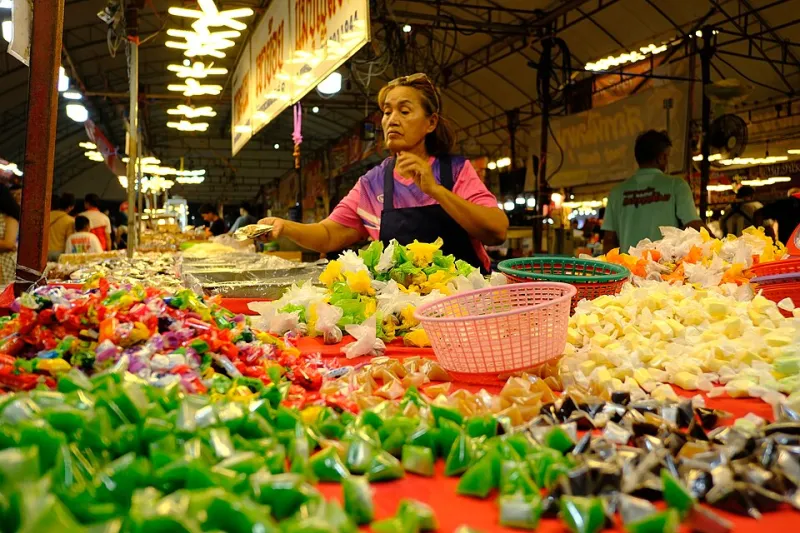
Photo: PattayaPatrol, CC BY-SA 4.0, via Wikimedia Commons
One day you're mindlessly scrolling through TikTok, and the next you're watching someone lose their mind over a palm-sugar taffy wrapped in a pastel sleeve, racking up 2.3 million views and a comment section full of people typing "WHERE DO I BUY THIS" in all caps. Sound familiar? That's the Thai candy pipeline in action, and it has been quietly reshaping the American snack landscape one viral clip at a time.
What's wild is that most of these brands weren't designed with global fame in mind. They were made for local kids grabbing something sweet on the way home from school, or for grandmothers picking up a box of coconut jellies at a weekend market. Then the internet got involved, and everything changed.
The Anatomy of a Viral Thai Candy Moment
Not every candy goes viral for the same reason, but there are some pretty consistent ingredients. Texture is a huge one. American snack culture is deeply invested in the crunch-chew spectrum, and Thai candy plays at the extreme ends of it. Think of tamarind chews that start firm and melt into something almost caramel-like, or pandan-flavored mochi that bounces back when you press it. That kind of tactile surprise is pure content gold.
Visuals matter just as much. Thai confectionery has this knack for looking almost too pretty to eat — think translucent coconut jellies shaped like tiny flowers, or hard candies with hand-painted fruit designs suspended inside them. When someone holds one of these up to a ring light, the comments practically write themselves.
Then there's the flavor shock factor. Sweet-salty-spicy combinations that are totally normal in Thailand hit US audiences like a plot twist. A mango candy with a chili-salt coating? A watermelon taffy that finishes with a savory kick? People don't know how to process it at first, and that confusion is exactly what makes them hit share.
The Brands That Broke Through
Malee might be best known in the US for its fruit juices, but the brand's candy line has been making serious noise lately. Their individually wrapped coconut-milk toffees started showing up in unboxing videos and quickly became a gateway candy for people new to Thai sweets. They're approachable, not too adventurous, and absolutely addictive — which makes them perfect for introducing skeptical friends to the whole scene.
Kẹo Dừa — technically a Vietnamese-origin candy that has deep roots in Thai border markets — has crossed over into Thai candy hauls in a big way. The chewy coconut strips wrapped in rice paper have a devoted following among US snack creators who love the clean, minimalist packaging and the fact that the rice paper wrapper dissolves on your tongue.
Seeka and its tamarind-based line deserve a serious spotlight. The brand's tamarind balls rolled in sugar and dried chili have been featured in dozens of "I tried every Thai candy" challenge videos, and they almost always produce the best reactions — that initial pucker, followed by a slow realization that you actually love it. Seeka built a cult following without a single dollar of US marketing spend.
Yupi Thailand (distinct from the international Yupi brand, though related) has been riding the gummy wave hard. Their fruit-shaped gummies in oversized bags photograph beautifully and have become a staple in flat-lay snack content. The mango and lychee varieties in particular have shown up on enough food influencer pages to warrant their own fan accounts.
Why These Brands Didn't Need a PR Campaign
Here's what's genuinely interesting about the Thai candy viral moment: it was almost entirely bottom-up. No major brand partnerships, no Super Bowl ads, no celebrity endorsements. What happened instead was a slow accumulation of authentic moments — a Thai-American creator sharing childhood favorites, a travel vlogger grabbing snacks at a Bangkok 7-Eleven, a curious food blogger ordering a mystery box and filming the whole unboxing.
That authenticity is a huge part of the appeal for US audiences. There's something exciting about discovering a brand that feels like a real find, not something that was handed to you by an algorithm. Thai candy occupies this sweet spot (no pun intended) between totally accessible and genuinely exotic, which makes sharing it feel like letting someone in on a secret.
Your Practical Guide to Finding These Treats
Okay, so you've watched the videos, you're convinced, and you need these in your life. Here's where to actually look.
Asian grocery stores are your first stop and honestly your best bet for freshness and variety. Chains like H Mart, 99 Ranch Market, and Seafood City carry rotating selections of Thai imports, and the candy aisle is worth a dedicated trip. Staff picks are often a goldmine — don't be shy about asking what's been selling.
Specialty online retailers have stepped up massively in the last couple of years. Sites dedicated to Asian snack imports (and yes, we'd be remiss not to mention that Candy Burst TH exists for exactly this reason) curate selections so you're not sifting through pages of results trying to figure out if something is actually Thai or just Thai-adjacent. Look for retailers that rotate their inventory seasonally, since Thai candy production often follows fruit harvests and holiday cycles.
Amazon has become a surprisingly solid source for some of the more mainstream brands like Yupi and Malee, though availability is inconsistent. Set up alerts for items you've been hunting — stock tends to come and go.
Subscription snack boxes with a Southeast Asian focus are another great entry point if you're still figuring out your preferences. Getting a curated assortment lets you try ten things at once instead of committing to a full bag of something you might not love.
Local Thai restaurants and markets are underrated. Many Thai restaurants in larger US cities sell packaged sweets near the register, and weekend cultural markets in cities with larger Thai communities often have vendors selling imported treats you genuinely cannot find anywhere else online.
The Candy Burst TH Take
The Thai candy viral moment isn't a trend that's going to burn out next quarter. If anything, it's still in early innings. As more creators discover the depth of what's available — beyond the tamarind balls and coconut toffees that made the first wave — the conversation is going to get richer and weirder and more delicious.
The brands that blew up weren't trying to go global. They were just making something genuinely good. And now the whole internet gets to be in on it. Honestly? That's a pretty sweet outcome for everyone involved.