No Passport Required: How Thai Candy Brands Are Shipping the Night Market Experience Straight to Your Front Door
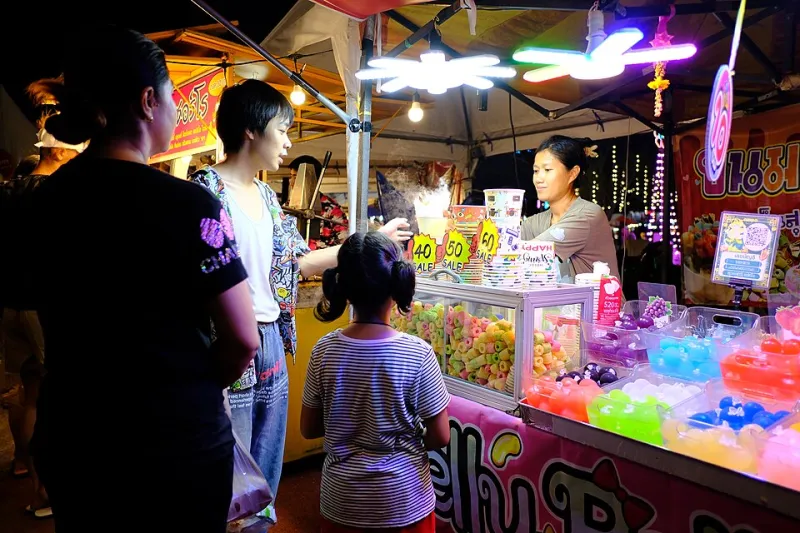
Photo: PattayaPatrol, CC BY-SA 4.0, via Wikimedia Commons
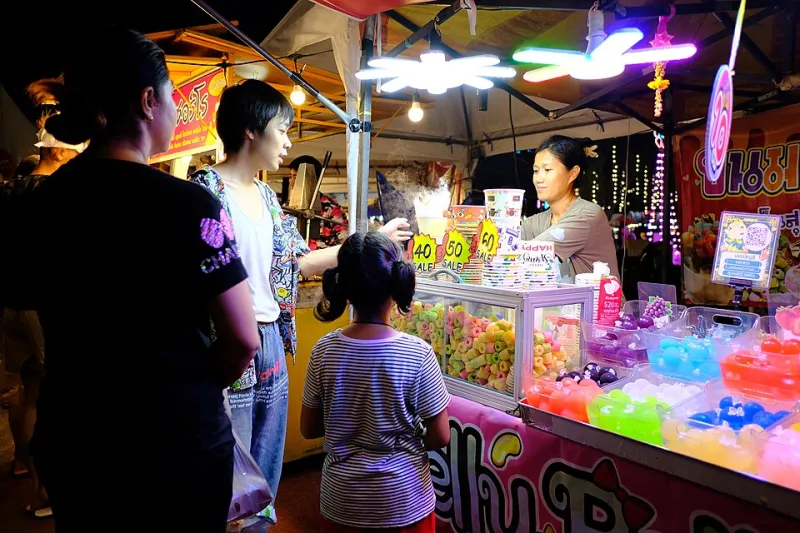
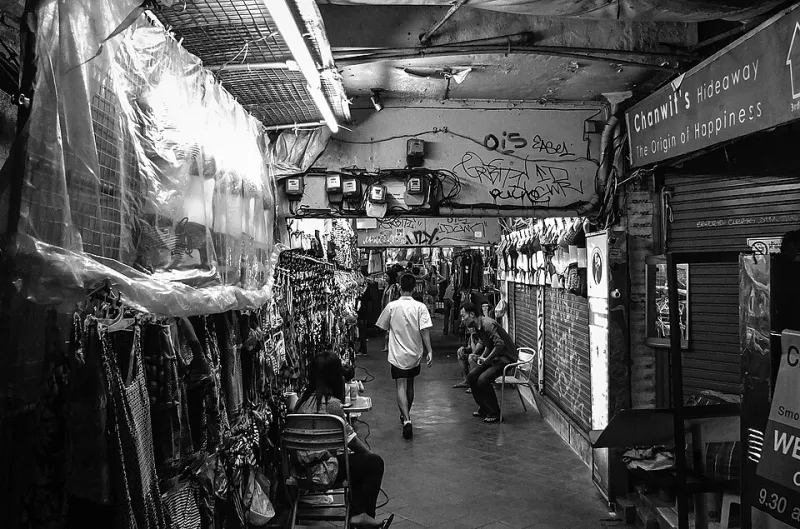
Imagine wandering through a Bangkok night market at 9 p.m. — the air thick with grilled meat smoke, the sound of motorbikes cutting through the crowd, and somewhere between a satay stall and a mango sticky rice cart, a small vendor selling hand-rolled coconut candy wrapped in palm leaves. That experience used to be a plane ticket away. These days, it might just be two to five business days from your doorstep.
The direct-to-consumer (DTC) wave that reshaped everything from mattresses to vitamins has quietly rolled into the world of Thai confectionery — and the timing couldn't be more perfect. American snack culture is in the middle of a full-blown obsession with global flavors, and Thai candy makers, both legacy brands and scrappy small-batch operations, are stepping up to meet that demand in a surprisingly personal way.
Why Traditional Retail Wasn't Cutting It
For years, Thai sweets in the US lived in a pretty narrow lane. You could find them in Asian grocery stores in major cities, or maybe tucked into the international aisle of a well-stocked supermarket. But for most Americans — especially those outside of coastal metros — authentic Thai candy was basically inaccessible.
The problem wasn't demand. It was distribution. Traditional retail requires navigating a maze of importers, regional distributors, and shelf-space negotiations that can take years and eat into margins fast. For small Thai producers making things like kanom kleeb lamduan (flower-shaped mung bean sweets) or chewy tamarind balls dusted in chili sugar, that path just didn't make sense.
Enter the internet.
"We were already selling locally and at Thai festivals in California," says one small-batch candy maker based in the San Gabriel Valley who ships nationwide through her own website. "But once we set up online ordering, we started getting orders from Ohio, from Texas, from places I never expected. People were finding us through TikTok and just... buying."
That story is playing out across the industry. Thai candy brands — from one-person operations run out of home kitchens to mid-sized producers in Chiang Mai and Bangkok — are finding that a direct line to the American consumer cuts through a lot of the noise.
The Logistics Behind the Sweetness
Shipping candy internationally isn't exactly simple. Temperature sensitivity, customs regulations, shelf-life requirements, and packaging standards all create real hurdles. But Thai brands have gotten creative.
Many DTC operations lean heavily on ambient-stable products — think hard candies, dried fruit confections, individually wrapped chews, and shelf-stable coconut-based sweets — because they travel well and don't require refrigeration. Some brands have set up small fulfillment hubs in the US, warehousing inventory stateside to cut down on shipping times and avoid the unpredictability of international customs.
Packaging has also become a serious competitive advantage. Vibrant, Instagram-ready designs that nod to traditional Thai aesthetics — think gold foil, floral motifs, and bold tropical color palettes — do double duty: they protect the product and they photograph beautifully. In a DTC world, your box is your billboard.
"Americans love unboxing," notes one Bangkok-based brand owner who began exporting directly to US customers in 2021. "We redesigned our packaging specifically for that moment. When someone opens it and takes a photo, that's free marketing. That's someone telling their friends that Thai candy is worth trying."
Marketing That Actually Works
The DTC boom in Thai candy isn't just a logistics story — it's a marketing story. And the platforms driving it might surprise you.
TikTok has been an absolute rocket ship for Thai confectionery discovery. Short videos showing the satisfying stretch of coconut taffy, the crunch of a sesame brittle, or the dramatic unboxing of a curated Thai candy assortment rack up millions of views with minimal ad spend. It's the kind of organic reach that traditional advertising budgets can't replicate.
Instagram still plays a role, particularly for brands positioning themselves in the premium gifting space. A beautifully styled flat lay of pastel mochi balls or hand-painted marzipan fruits can pull in a very different (and often higher-spending) consumer than TikTok's snack-curious Gen Z crowd.
Email and subscription models are also gaining traction. Several Thai candy brands now offer monthly boxes — curated assortments that introduce subscribers to a rotating cast of regional sweets. It's a format Americans are already comfortable with thanks to services like SnackCrate and Bokksu, but these Thai-specific boxes offer something more focused: a genuine deep-dive into a single culinary tradition.
The American Consumer Is Ready
None of this would work if Americans weren't genuinely interested in what Thai candy has to offer. And the data suggests they very much are.
Imported Asian snacks as a category have seen consistent growth over the past several years, fueled by a combination of demographic shifts, food media influence, and a post-pandemic hunger for novelty. Consumers who spent the last few years cooking their way through global cuisines at home are now extending that curiosity to snacks and sweets.
Thai flavors, in particular, hit a sweet spot (no pun intended). The combination of sweet, salty, sour, and spicy that defines so much of Thai food translates remarkably well into candy form. Tamarind chews with a chili kick. Salted egg yolk caramels. Pandan-scented coconut jellies. These aren't just exotic novelties — they're genuinely complex, satisfying flavor experiences that hold up against anything in the American candy aisle.
"I think people are bored," says a food trend analyst who follows the imported snack space. "The same gummies, the same chocolate bars — there's only so much shelf space and so many formulas. Thai candy offers something that feels genuinely different, and the DTC model means you can find it without a trip to a specialty store."
What's Next for the Space
The trajectory here seems pretty clear: more brands, more products, more access. As Thai candy companies get more comfortable with US consumer expectations — clearer ingredient labeling, English-language packaging, allergen transparency — the friction that once existed between Thai producers and American buyers keeps shrinking.
Subscription boxes will likely keep growing. Collabs between Thai candy brands and US-based food influencers are already starting to pop up. And as the Thai diaspora community in America continues to expand and celebrate its food culture publicly, the mainstream visibility of these sweets will only increase.
For now, though, the most exciting part of the DTC revolution in Thai candy is the simplest: something that once required a flight to Southeast Asia is now arriving in bubble-wrapped packages on doorsteps in Denver, Nashville, and everywhere in between. The night market is still there, still humming with energy and flavor — it's just got a really good shipping rate now.